

Superior University demonstrates a strong commitment to achieving Sustainable Development Goal 14 – Life Below Water, through research, community outreach, and environmental advocacy focused on preserving marine and freshwater ecosystems. In 2024, the university initiated multiple academic and collaborative projects promoting sustainable fisheries, responsible consumption, and the protection of aquatic biodiversity.
One of the key initiatives includes a comprehensive mapping study aimed at identifying alternative livelihoods for fishing communities, helping reduce overdependence on unsustainable fishing practices. These efforts are complemented by research-driven recommendations to enhance sustainable fisheries management, ensuring ecological balance and long-term resource availability.
The university also places emphasis on community engagement through educational outreach programs that raise awareness about aquatic conservation, waste management, and pollution control. Through partnerships with local organizations, Superior University advocates for responsible waste disposal and reduction of plastic waste that often ends up in rivers and marine environments.
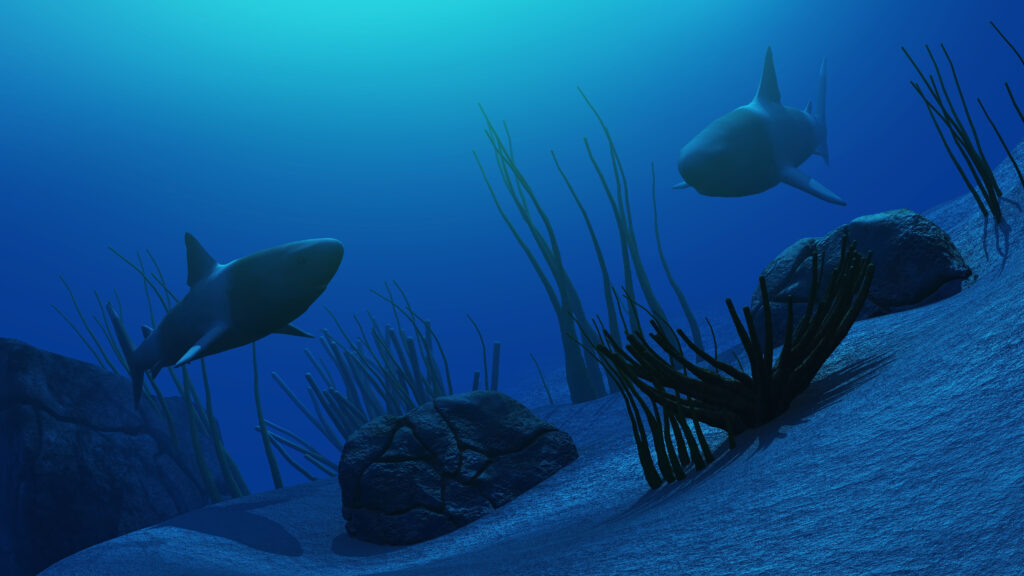
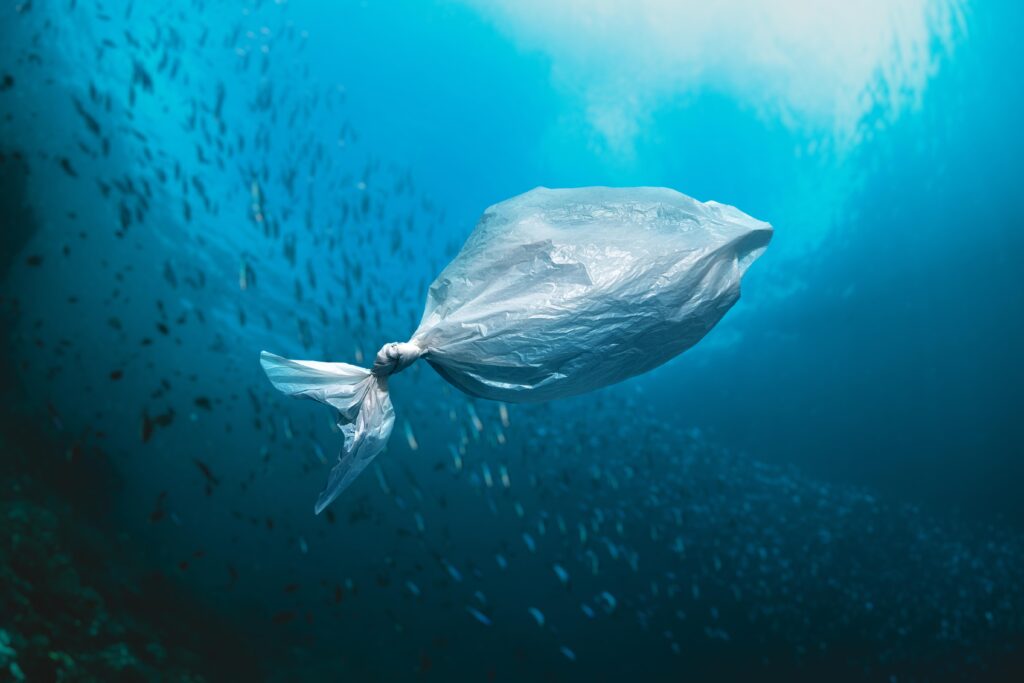
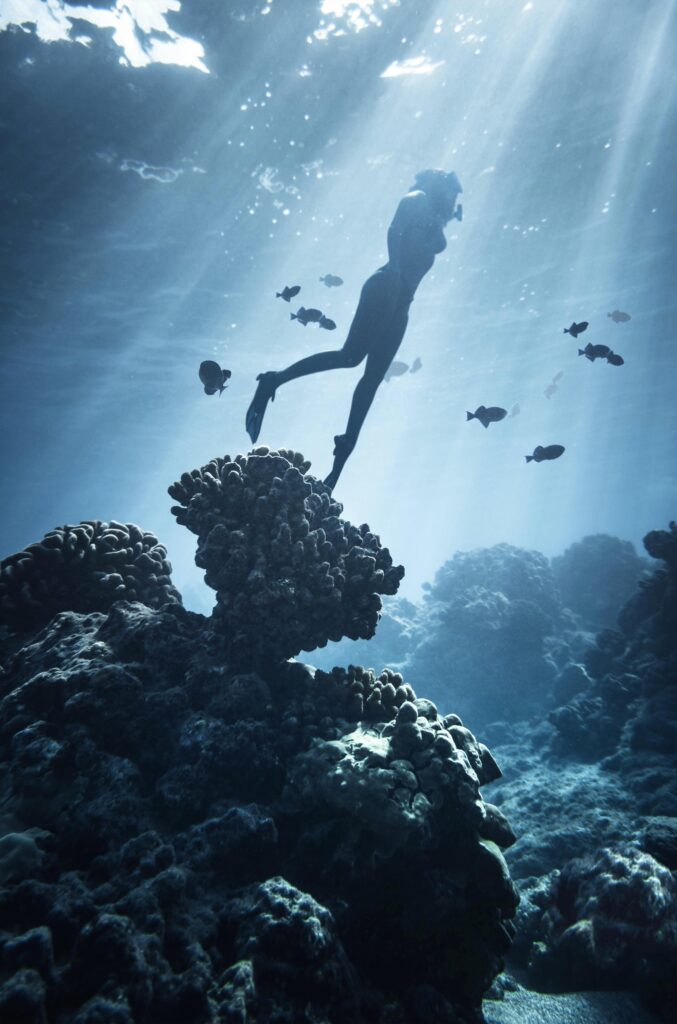
Superior University’s Initiative for Plastic-Free Rivers and Seas of South Asia (SDG 14)
Superior University, through its Faculty of Sciences, took a significant step toward environmental sustainability by hosting the signing ceremony for the landmark project “Plastic-Free Rivers and Seas of South Asia: Trash Has Value – Recycling Plastic Waste to Eco-Green Tiles/Bricks.” The event was held on June 3rd, 2024, at the Raiwind Road Campus, marking an important milestone in regional collaboration for aquatic ecosystem preservation.
This initiative focuses on transforming plastic waste into eco-friendly construction materials, promoting a circular economy model that reduces pollution and supports sustainable development. By turning discarded plastics into reusable resources, the project contributes to cleaner waterways and mitigates the harmful effects of plastic pollution on marine and freshwater life.