

Superior University has demonstrated a strong commitment to addressing climate change through education, innovation, and community engagement initiatives aligned with SDG 13 – Climate Action. In 2024, the university actively implemented programs that promote environmental sustainability, resilience, and awareness across its campus and surrounding communities.
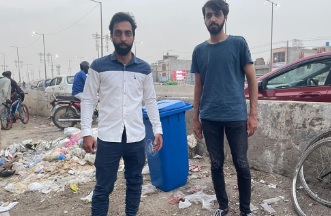
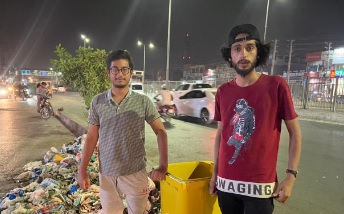
Through the Social Entrepreneurship Program (SEP-CMACED), students launched multiple climate-focused projects, including the installation of waste buckets in Lahore to encourage waste segregation, recycling, and cleaner urban spaces. These efforts aimed to reduce pollution and promote responsible waste management practices among citizens.
Climate Action through Waste Management Initiative
Under the Social Entrepreneurship Program (SEP-CMACED), Active Citizens of Superior University launched a Climate Action project aligned with SDG 13. The initiative involved placing waste collection buckets across various areas of Lahore to promote responsible waste disposal, recycling, and environmental cleanliness.
This project aimed to reduce pollution and improve urban hygiene by encouraging citizens to segregate and dispose of waste properly. Collected waste was systematically managed through recycling and incineration processes to minimize its environmental impact. Through this initiative, students demonstrated leadership in community-based climate action, raising awareness about sustainable waste practices and contributing to a cleaner, healthier Lahore. The project reflects Superior University’s ongoing commitment to environmental stewardship and climate resilience.
Green Partnership with Al-Kabir Town: Plantation Drive for a Sustainable Future
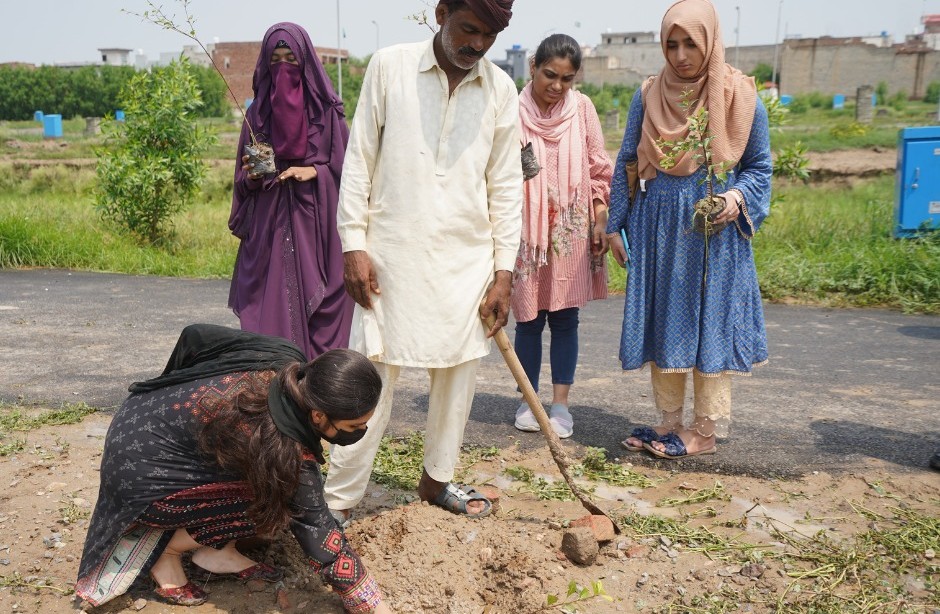
Social Entrepreneurship Program (SEP) and the Office of Engagement & Communication, successfully organized a large-scale plantation drive in collaboration with Al-Kabir Town. The event brought together students from multiple departments who actively participated in tree planting activities, showcasing their collective commitment to environmental sustainability and climate action.
Dr. Usman Sadiq, Assistant Director SEP, SFRD, represented Team SEP and supported the initiative, emphasizing the importance of student-led environmental efforts. The plantation drive not only served as a practical step toward reducing carbon footprints but also instilled a sense of environmental responsibility among participants.
By increasing green cover, the initiative contributes to mitigating climate change, improving air quality, and promoting biodiversity. Superior University continues to encourage such collaborative sustainability projects that align with SDG 13 by fostering a culture of environmental awareness, community engagement, and proactive climate action for a greener and healthier planet.
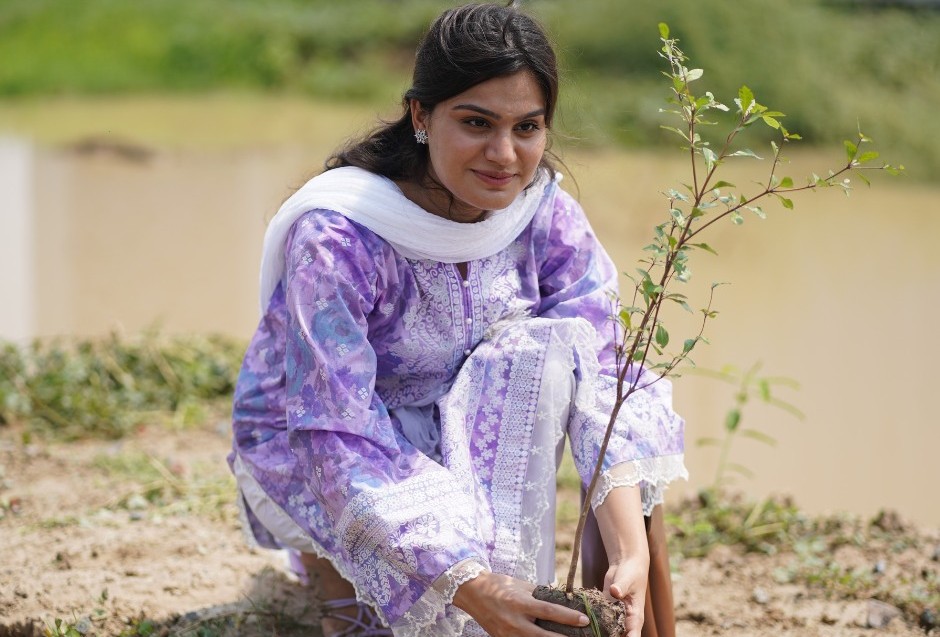
Allied Health Sciences Students Lead Plantation Drive for Environmental Sustainability (SDG 13)
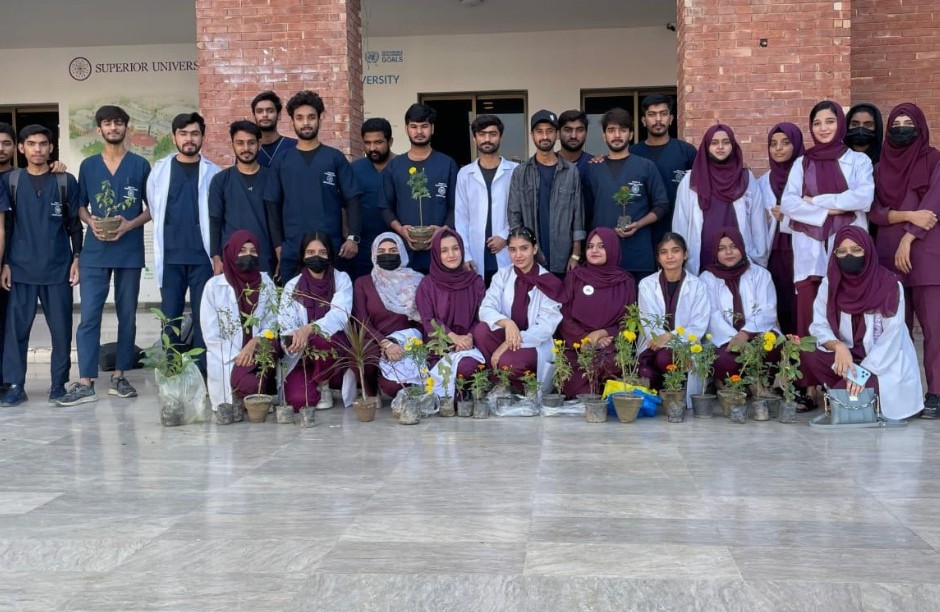
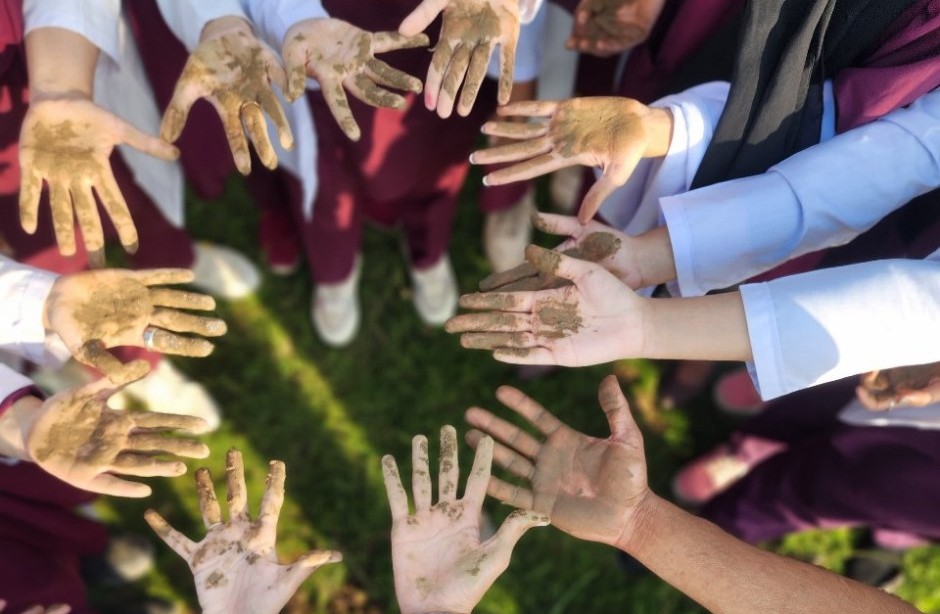
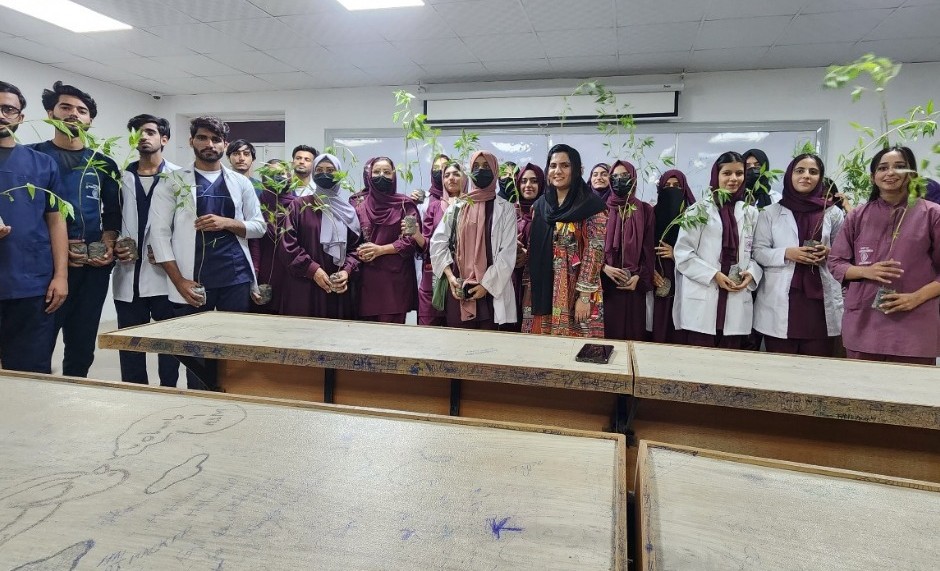
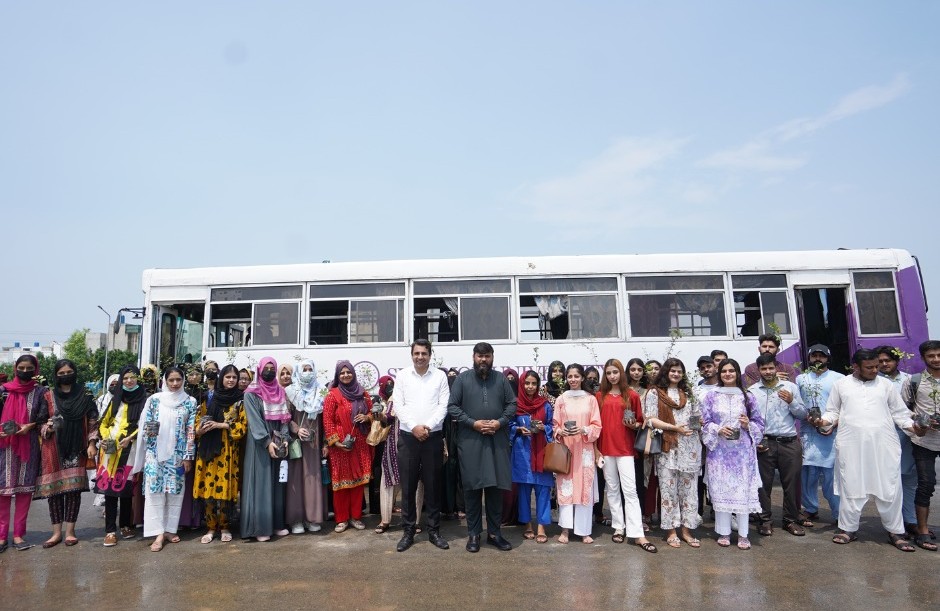
Students from the Faculty of Allied Health Sciences, under the Social Entrepreneurship Program (SEP) at Superior University, organized a plantation drive aimed at promoting environmental sustainability and climate action. The initiative was guided by Ms. Madiha Naheed, Lecturer at the Faculty of Allied Health Sciences, whose mentorship encouraged active student participation and collaboration.
The event also saw enthusiastic involvement from community members, reflecting a strong spirit of collective responsibility toward creating a greener and healthier environment. By planting trees, participants contributed to combating climate change, improving air quality, and preserving biodiversity, key elements in sustaining ecological balance.