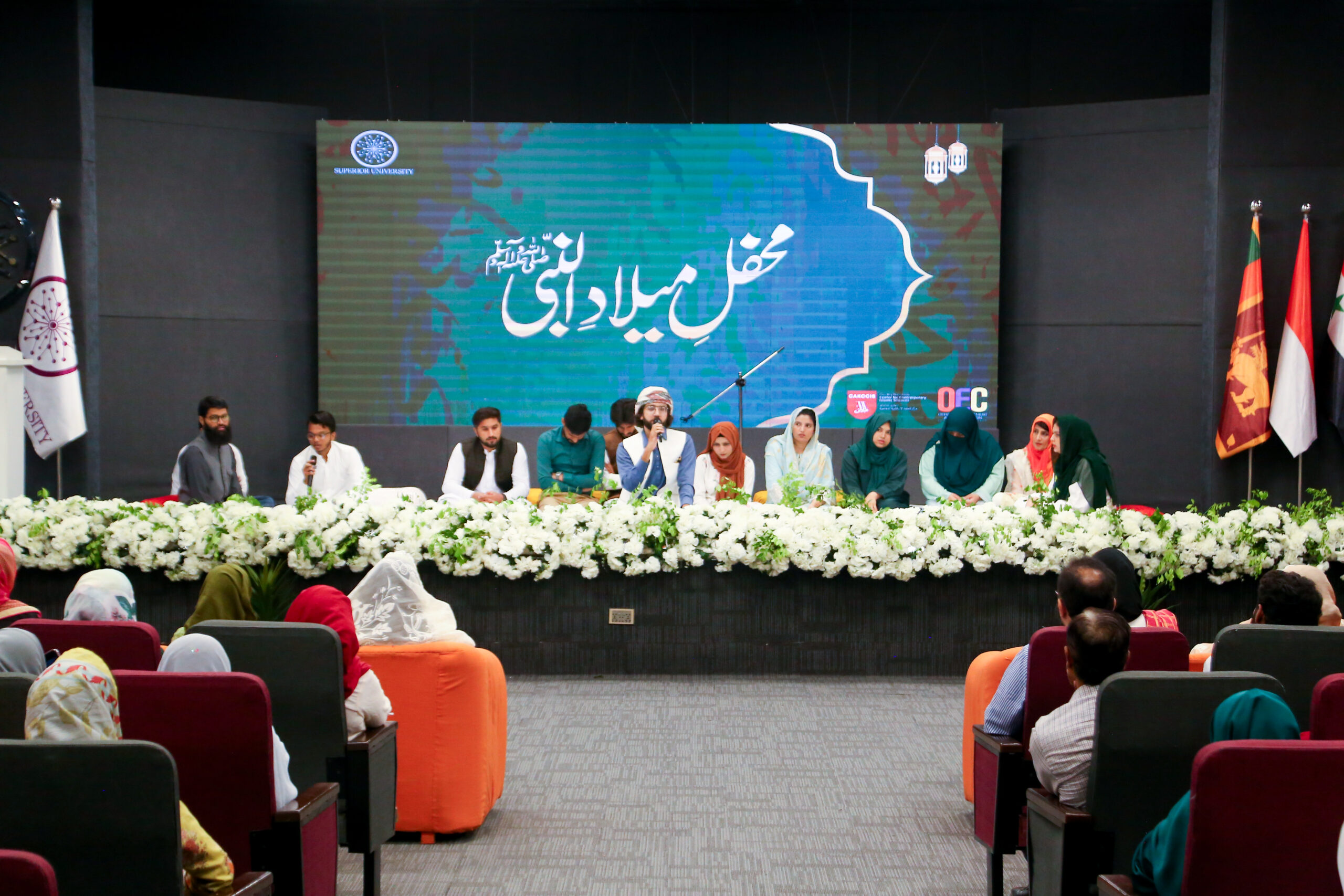
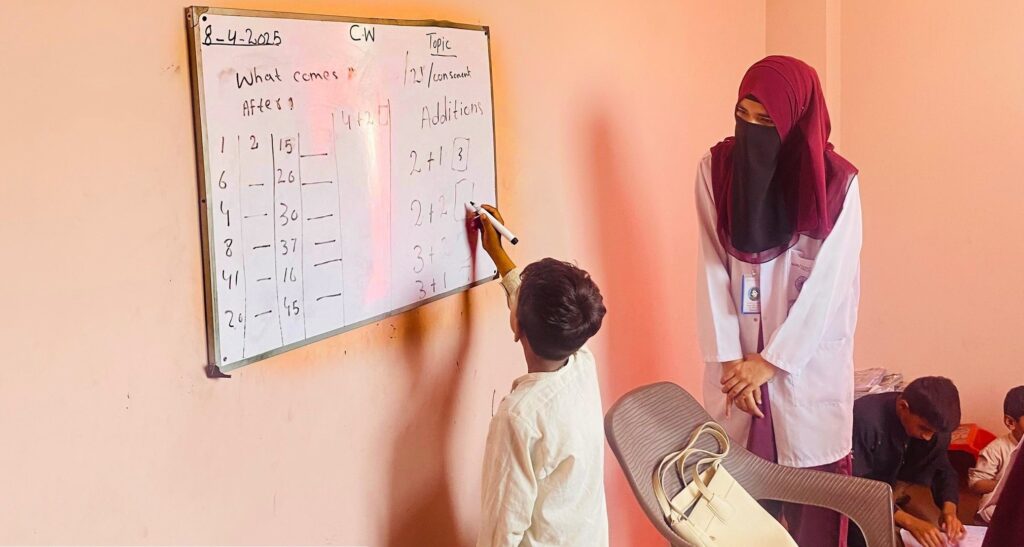
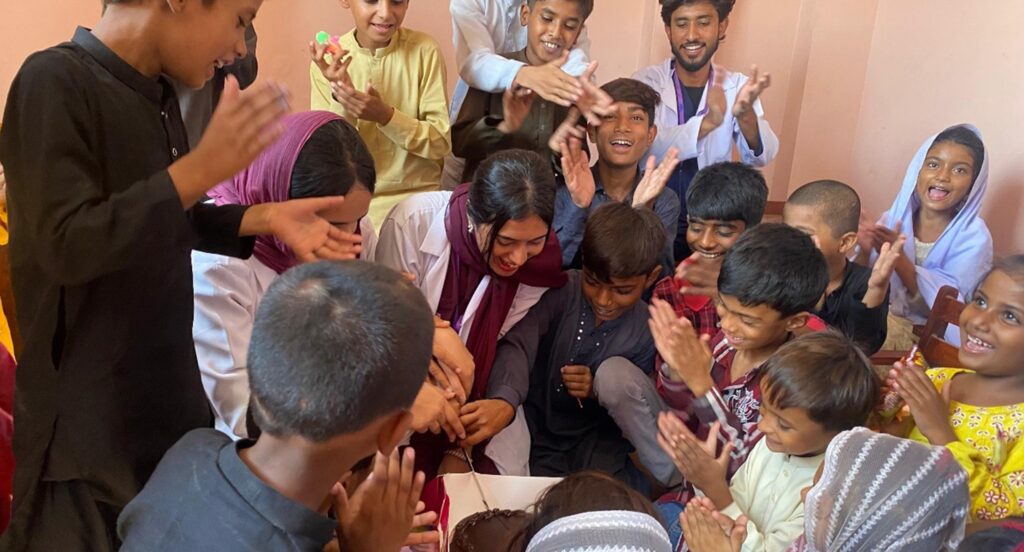
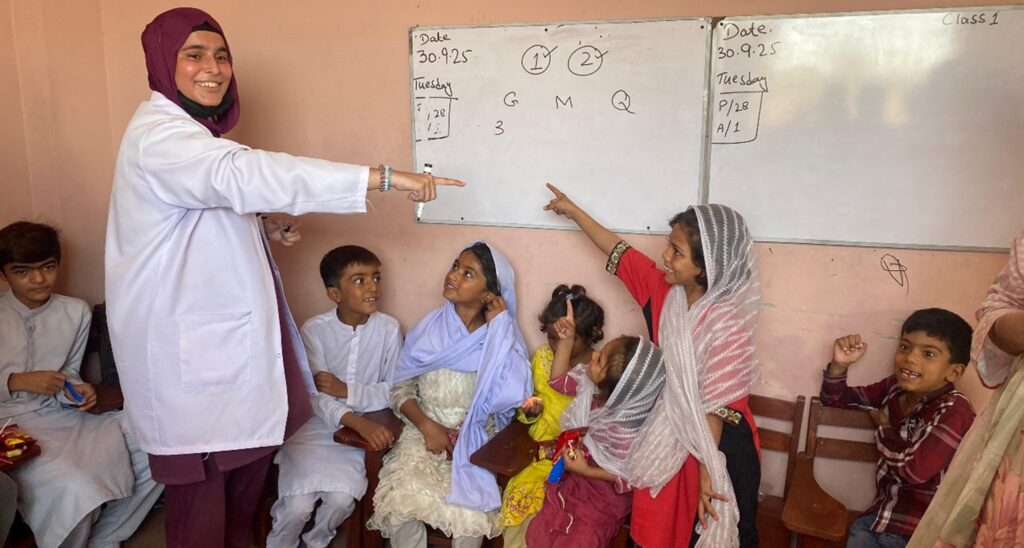
Through its extensive educational outreach and community engagement programs conducted beyond the campus. These initiatives reflect the university’s commitment to inclusive and equitable quality education by reaching students and communities outside traditional academic boundaries.
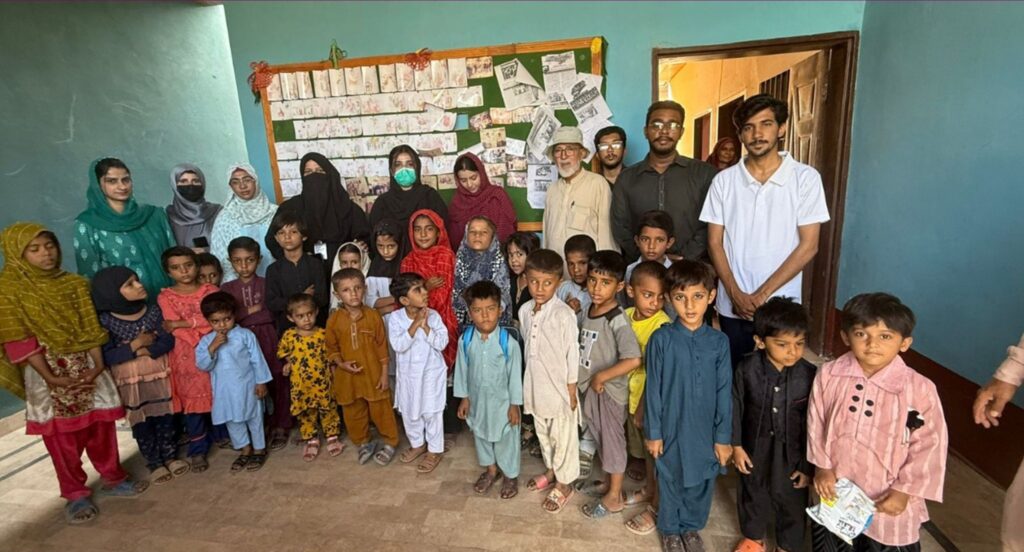
Throughout the year, the university organized multiple school and community-based learning activities under its Social Entrepreneurship Program (SEP) in collaboration with the British Council’s Active Citizens framework. Faculty and student ambassadors delivered awareness sessions on environmental conservation, digital literacy, hygiene, and social responsibility. These activities encouraged schoolchildren and community participants to adopt sustainable practices and develop problem-solving skills that contribute to societal well-being.
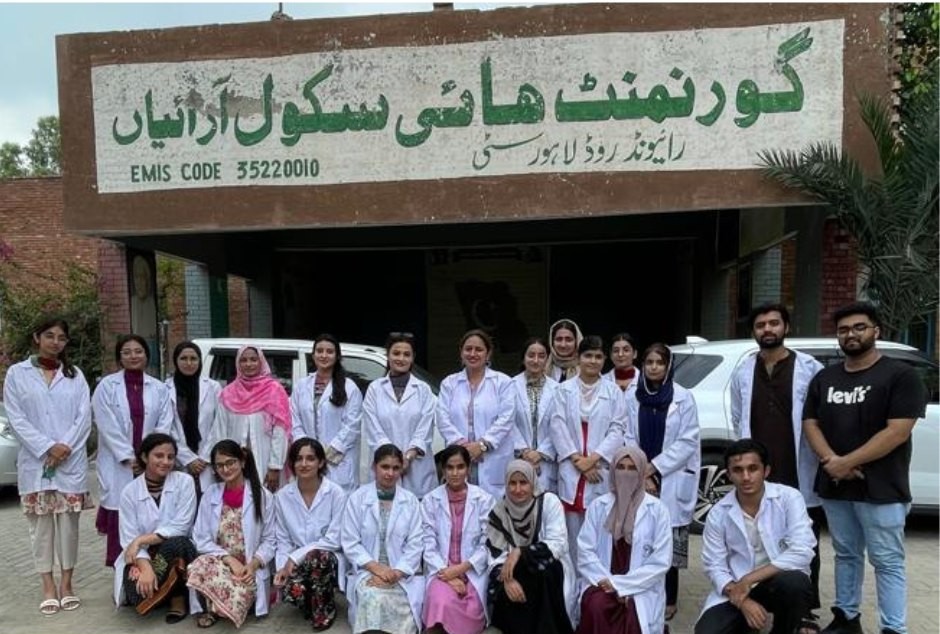
The Faculty of Allied Health and Life Sciences conducted community health awareness camps and first-aid demonstrations, equipping participants with basic healthcare knowledge and preventive care techniques. Similarly, the Faculty of Engineering and Technology arranged STEM-focused workshops such as robotics demonstrations and innovation challenges to nurture curiosity and technical aptitude among young learners.
By extending educational opportunities beyond campus boundaries, Superior University ensures that knowledge benefits not only its enrolled students but also the broader community. These outreach initiatives strengthen the university’s role as a socially responsible institution that promotes lifelong learning, empowerment, and inclusion. Collectively, these efforts position Superior University as a leader in advancing SDG 4 through accessible, practical, and transformative education.
Aviation Management Sciences Students’ Industrial Visit to Sialkot International Airport
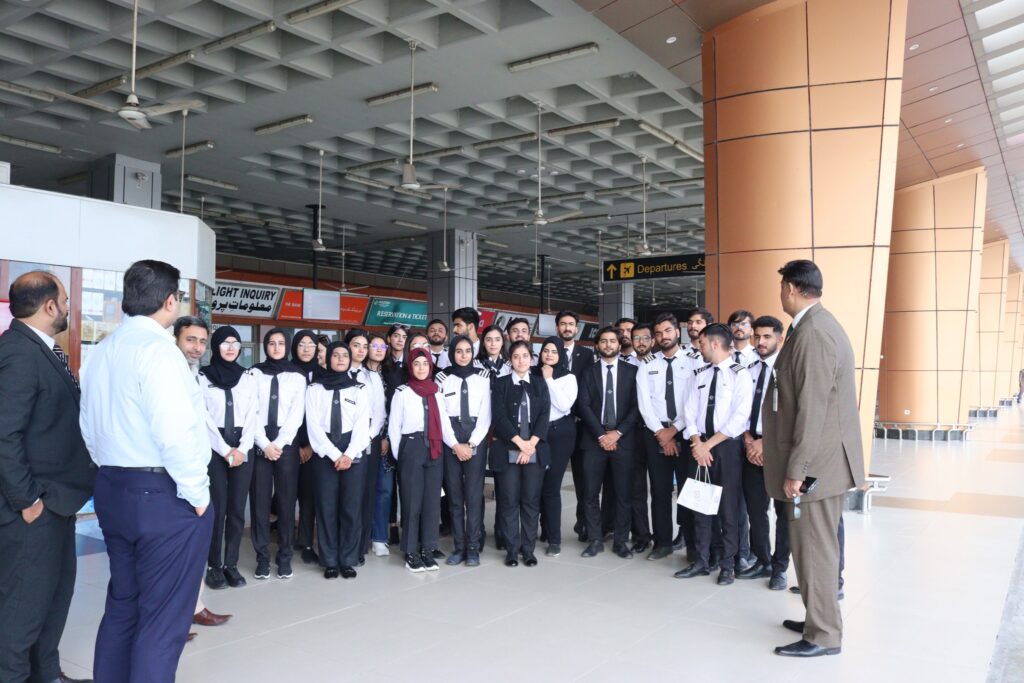
Students from the Aviation Management Sciences program at Superior University participated in an educational visit to Sialkot International Airport as part of their experiential learning activities. The visit provided students with an in-depth understanding of airport operations and the coordination required to ensure seamless functionality across departments.
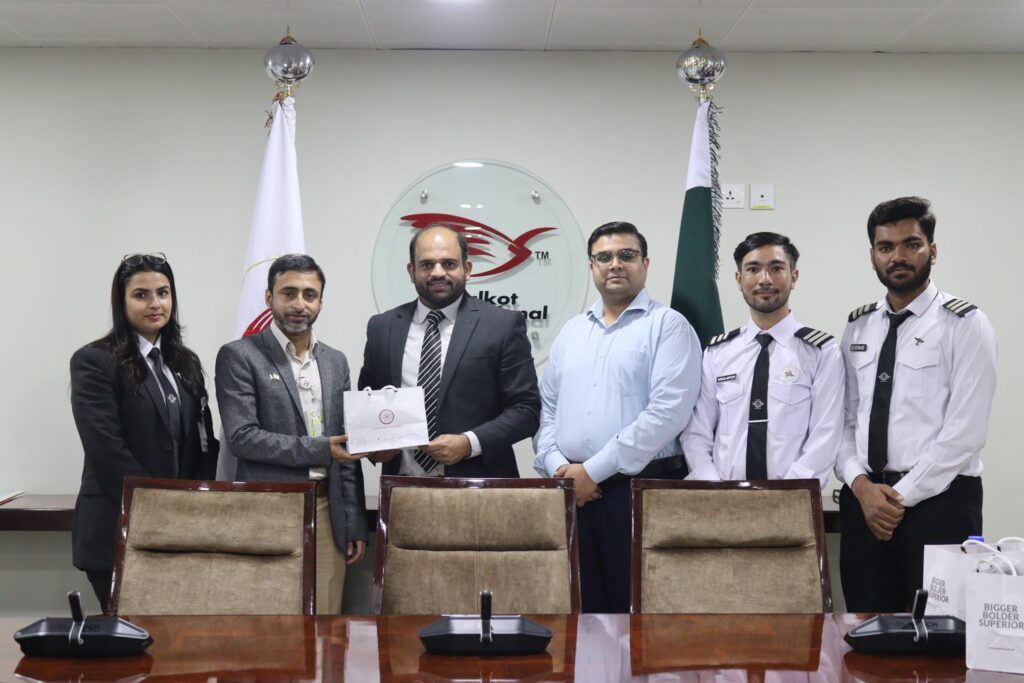
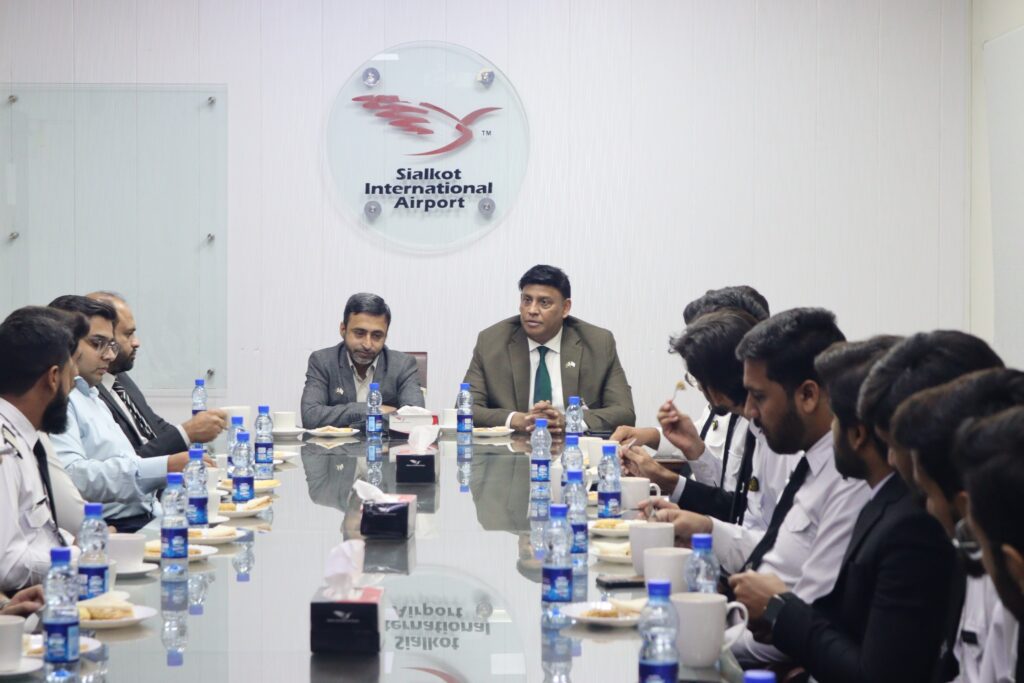
During the visit, students interacted with key airport officials, including the Airport Manager, Manager of Airport Handling Services, Manager of Customer Services, and on-ground operational staff. These interactions offered valuable insights into the complex challenges of maintaining safety, security, and efficiency standards in a high-pressure aviation environment. Students observed the complete workflow of airport operations, from check-in counters and security procedures to baggage handling, cargo processing, and aircraft servicing. The tour also highlighted the integration of technology, logistics, and teamwork essential to modern aviation management.