

Superior University is deeply committed to promoting inclusivity, accessibility, and equity across all levels of education and employment. Through its International Office, the university provides extensive support to international students, particularly those from developing countries, ensuring they receive accommodation assistance, cultural orientation, and language support. These initiatives reflect the university’s dedication to SDG 10 (Reduced Inequalities) by fostering a learning environment where every student, regardless of background, can thrive.
The university’s inclusive policies also extend to students and staff with disabilities, ensuring equal access to educational and professional opportunities. These efforts promote fairness and representation in both academic and administrative spheres, aligning with SDG 10 and SDG 16 (Peace, Justice, and Strong Institutions) by nurturing a diverse, equitable, and inclusive academic community.
Key Inclusivity Indicators
- 11,506 Students Starting a Degree
- 5,177 First-Generation Students Starting a Degree
- 278 International Students from Developing Countries
- 14 Students with Disability (as recognized by THE Impact Rankings)
- 1,581 Employees in Total
- 5 Employees with Disability
Volunteer Engagements towards Reducing Inequality
Superior University’s commitment to reducing inequality extends beyond policy into community engagement and recognition of academic excellence. The university celebrates its research community’s achievements through initiatives that showcase and honor outstanding contributions. Researchers are regularly featured on official university platforms, the ORIC website, and the university’s newsletter magazine, inspiring peers and fostering pride in academic excellence.
A recent innovation involves the implementation of dissolving microneedles for therapeutic use in Pakistan’s healthcare sector. This HealthTech advancement enhances patient compliance and minimizes needle-related risks in underserved regions, exemplifying the university’s drive to make healthcare more equitable and accessible.
Character Mastery Project
The Character Mastery Project at Superior University is a transformative initiative designed to integrate moral and ethical development into academic, professional, and personal growth. Rooted in the university’s belief that true success is defined by character as much as by competence, the project nurtures students, faculty, and staff to embody values that promote integrity, empathy, and social responsibility.
The framework emphasizes core virtues including honesty and integrity, responsibility and accountability, justice and fairness, empathy and compassion, humility and service, patience and gratitude, and forgiveness and reconciliation. These virtues are embedded across all aspects of campus life, from classroom learning and leadership development to research ethics, community engagement, and workplace culture.
Through workshops, reflection sessions, mentorship programs, and community service activities, the Character Mastery Project fosters a culture of moral excellence and emotional intelligence. It equips individuals to make ethical decisions, lead with purpose, and contribute meaningfully to society.
By aligning character education with the university’s academic and social initiatives, Superior University ensures that every graduate not only excels professionally but also upholds values that support peace, inclusivity, and human development, directly contributing to the spirit of the UN Sustainable Development Goals (SDGs).
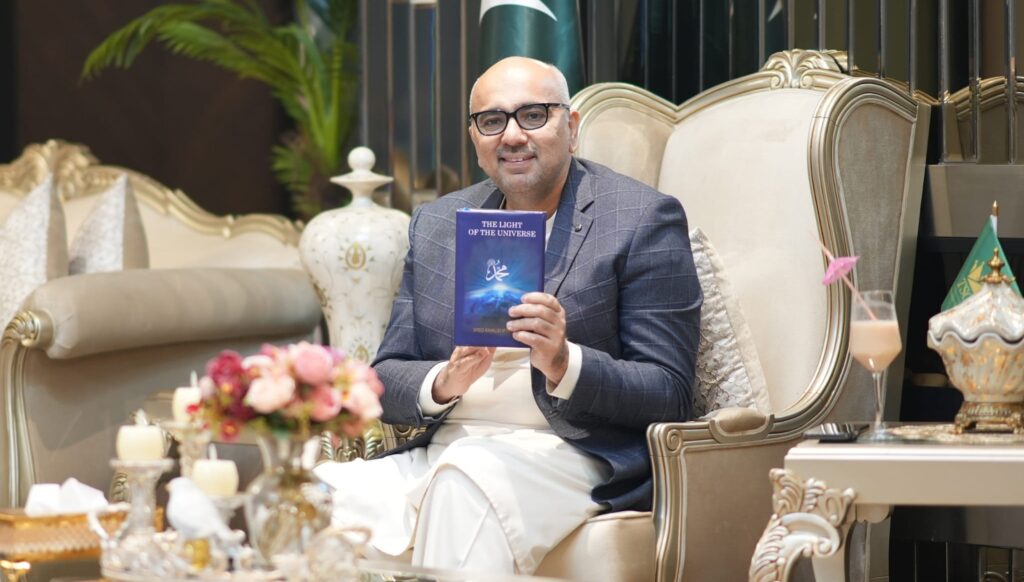
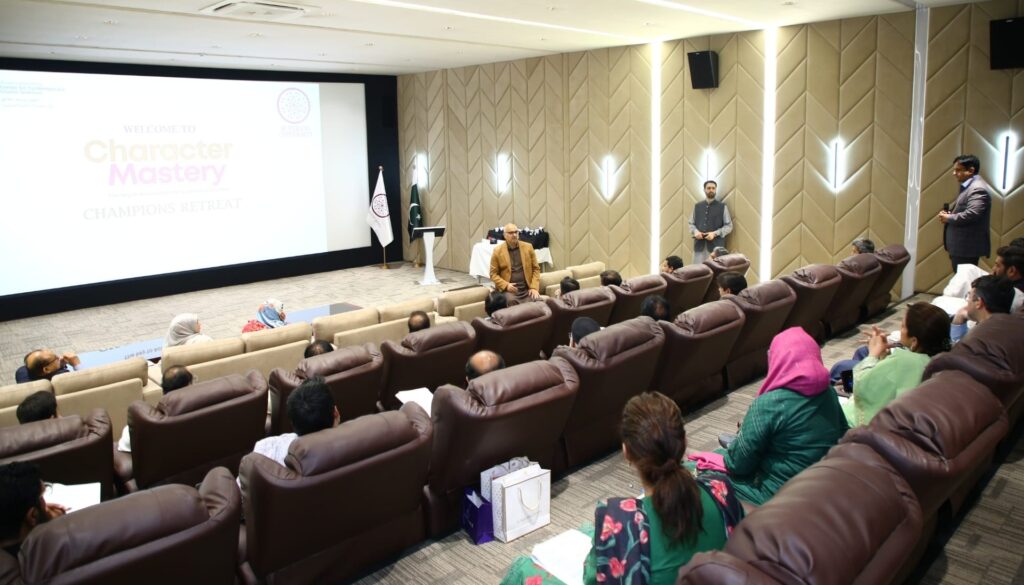
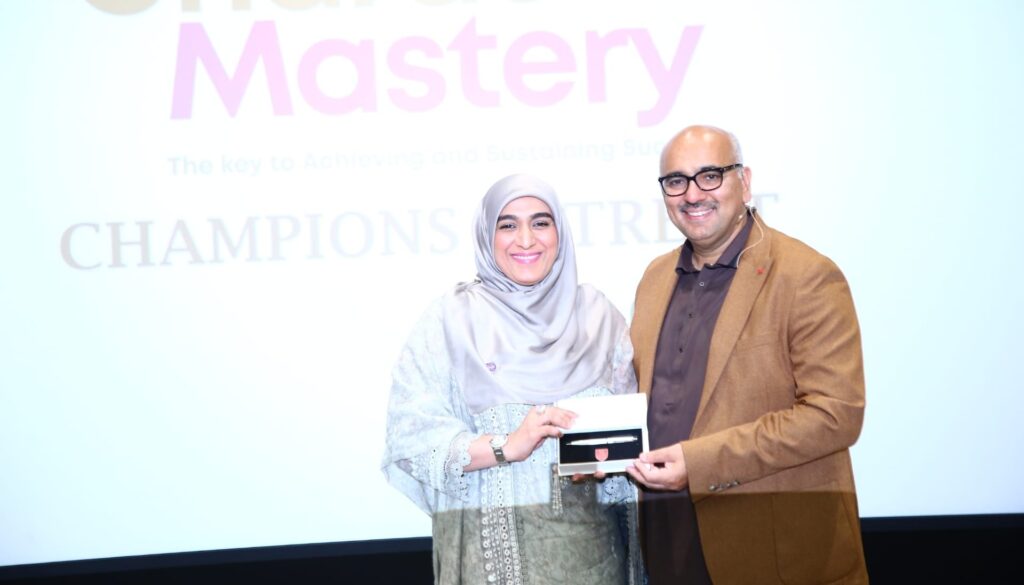
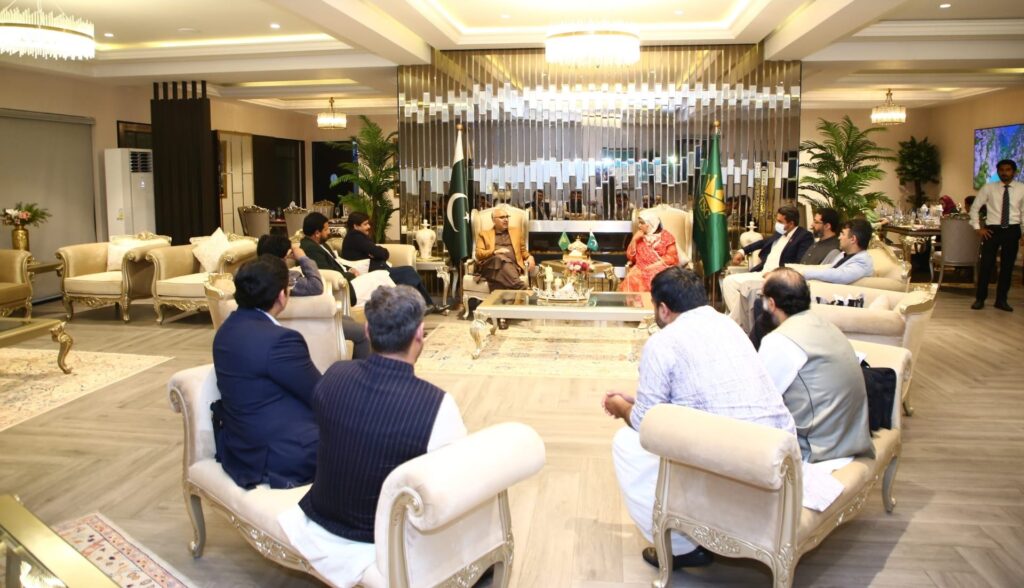
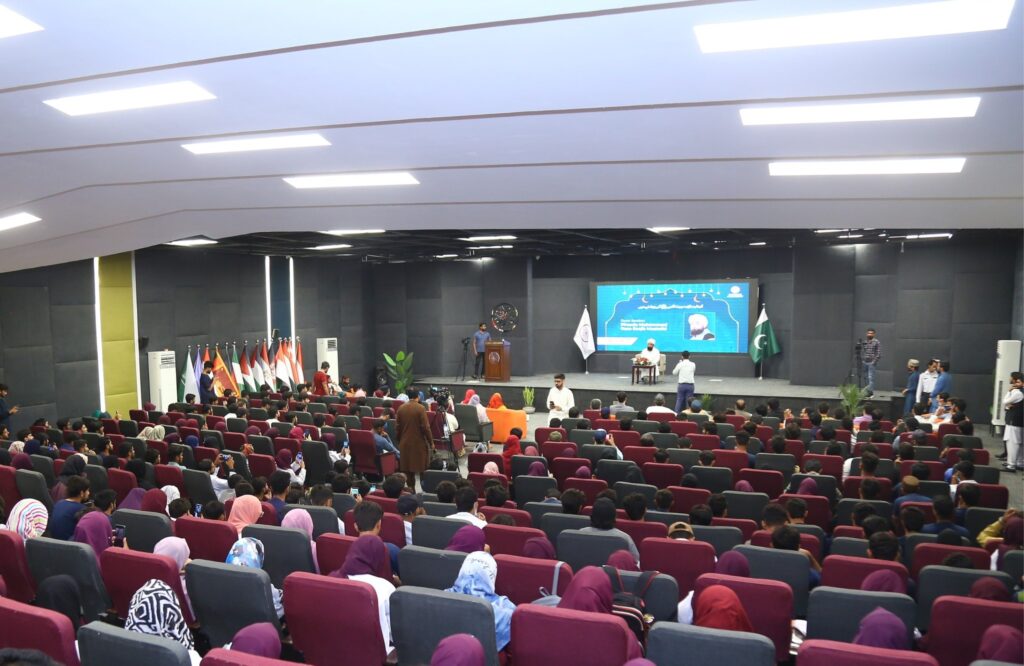
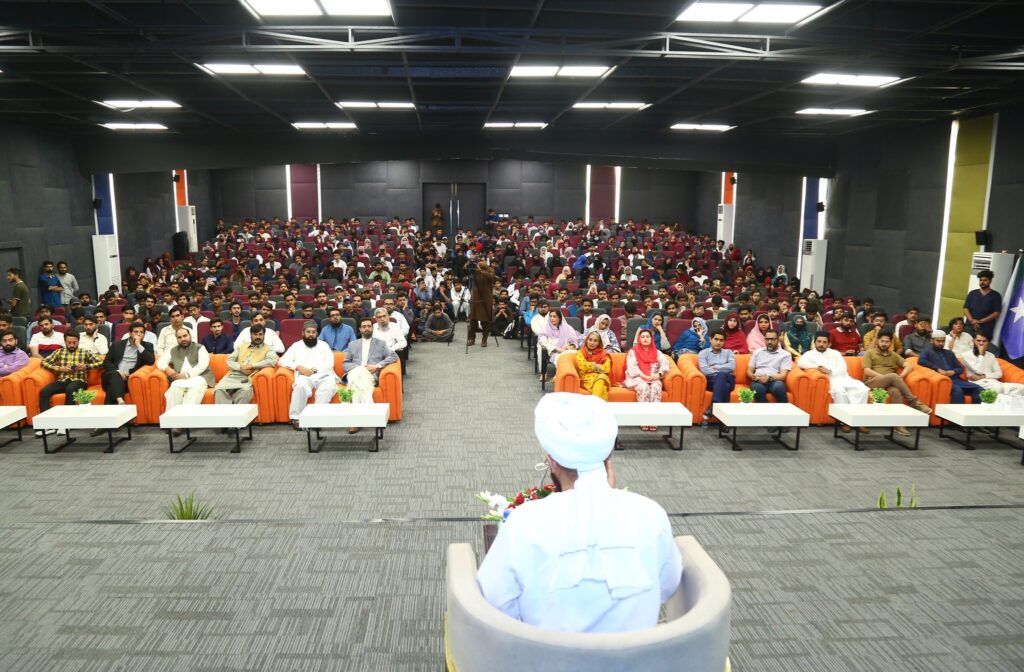
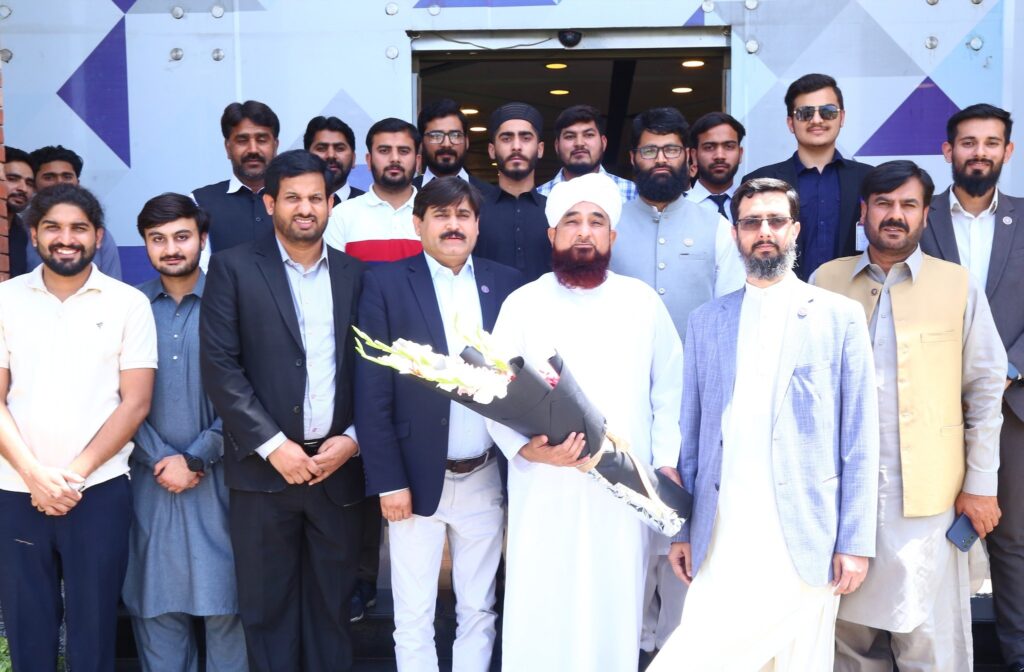
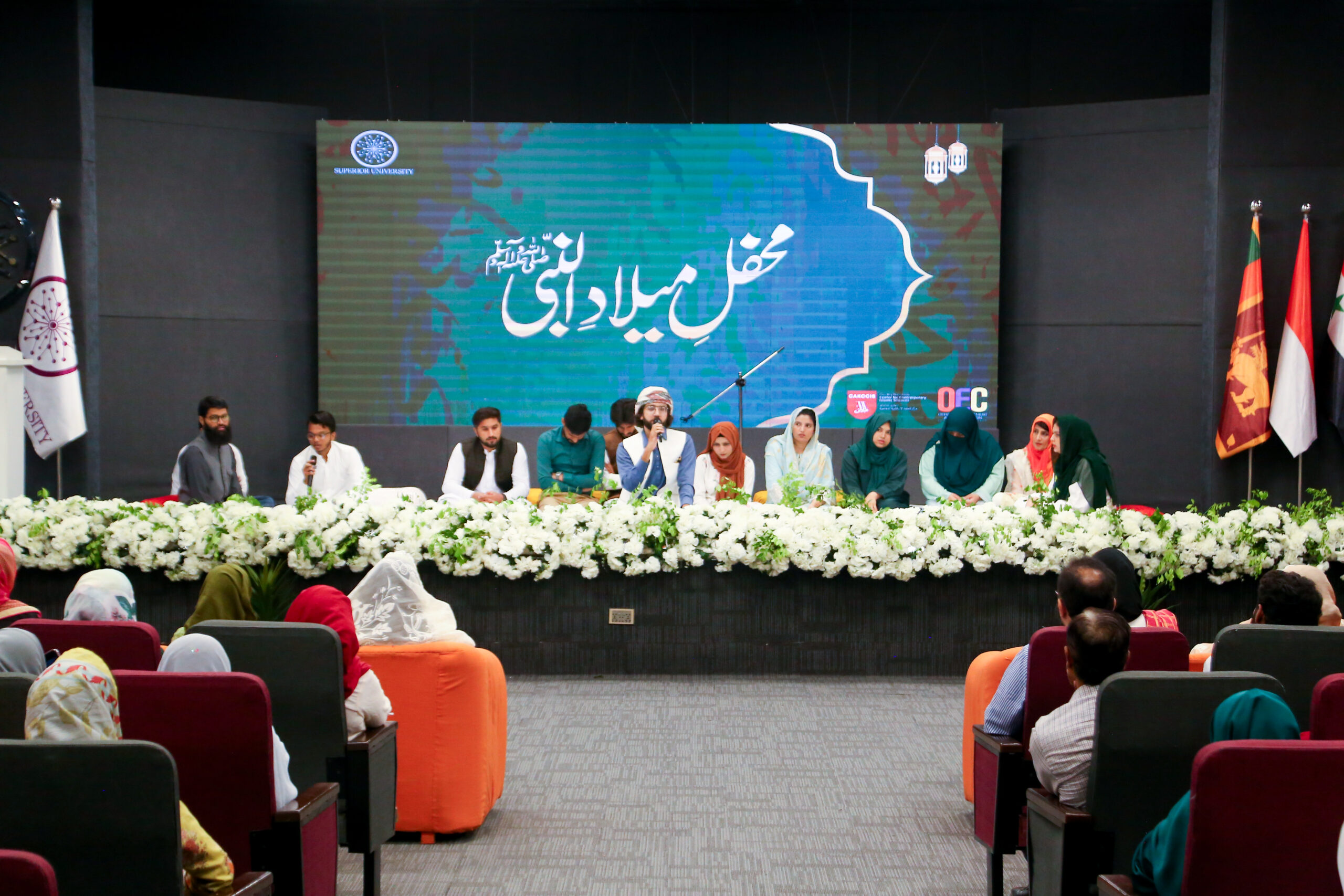
To further promote social cohesion and moral development, the Office of Engagement and Co-creation, in collaboration with the Chaudhry Abdul Khaliq Center for Contemporary Islamic
Sciences (CAKCCIS), organized an enlightening session on character building. Pirzada Muhammad Raza Saqib Mustafai served as the keynote speaker, inspiring the audience to adopt virtues exemplified by the Holy Prophet (PBUH) and integrate them into their daily lives. This initiative reflects Superior University’s dedication to holistic education, moral excellence, and character-driven leadership that transcends social and economic divides.