Superior University expanded its collaborative network with academic institutions, industry leaders, government organizations, and NGOs to strengthen pathways for education, innovation, and sustainable career growth. These partnerships are central to the university’s mission of integrating real-world learning experiences with academic excellence, ensuring alignment with SDG 17 (Partnerships for the Goals).
The RC 23 Policy, developed by the Azra Naheed Center for Research and Development (ANCRD), Superior University, envisions increasing Pakistan’s remittances from $31 billion to $100 billion within five years by strategically developing and exporting a skilled global workforce. The policy focuses on harnessing Pakistan’s youth population (60% aged 15–33) through training in healthcare, ICT, vocational trades, and language proficiency, aligned with international labor market demands.
Key projections include expanding the number of overseas Pakistanis from 9.2 million to 29.3 million, generating an annual remittance growth from $35B to $100B by the fifth year. High-demand sectors such as healthcare (doctors, nurses, veterinarians), ICT (AI, cybersecurity, data management), and skilled trades (mechanics, chefs, electricians) are identified as primary focus areas.SEE Pakistan 2024
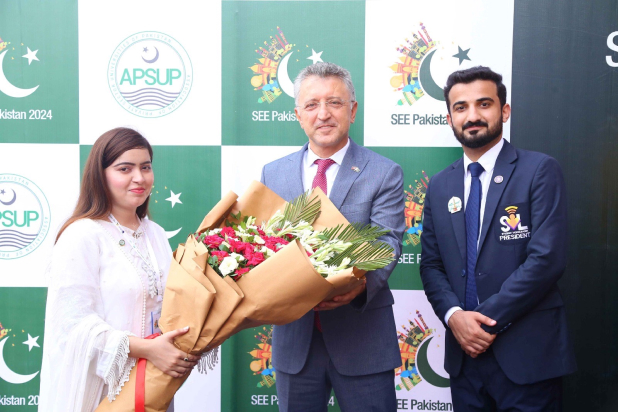
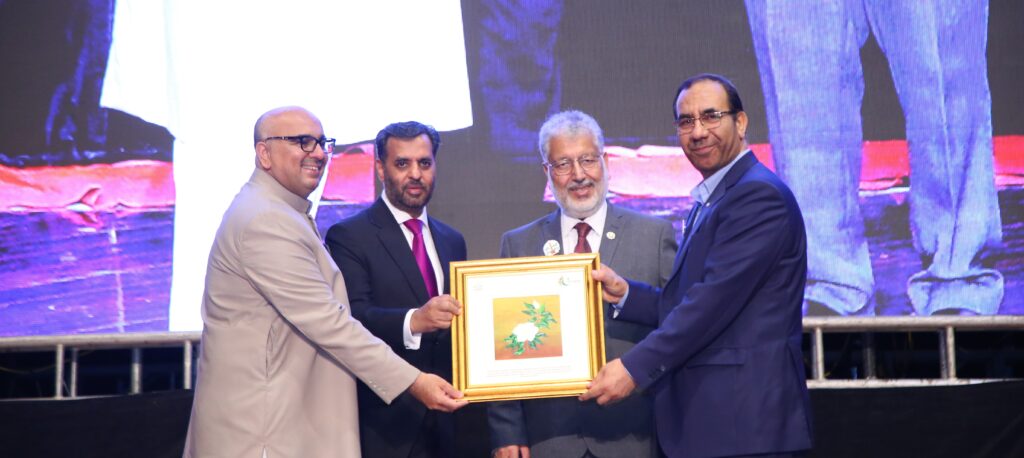
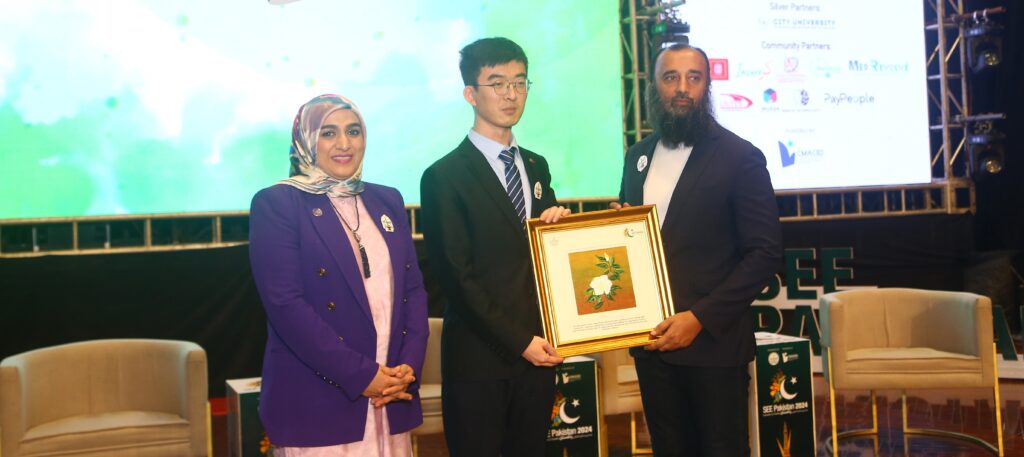
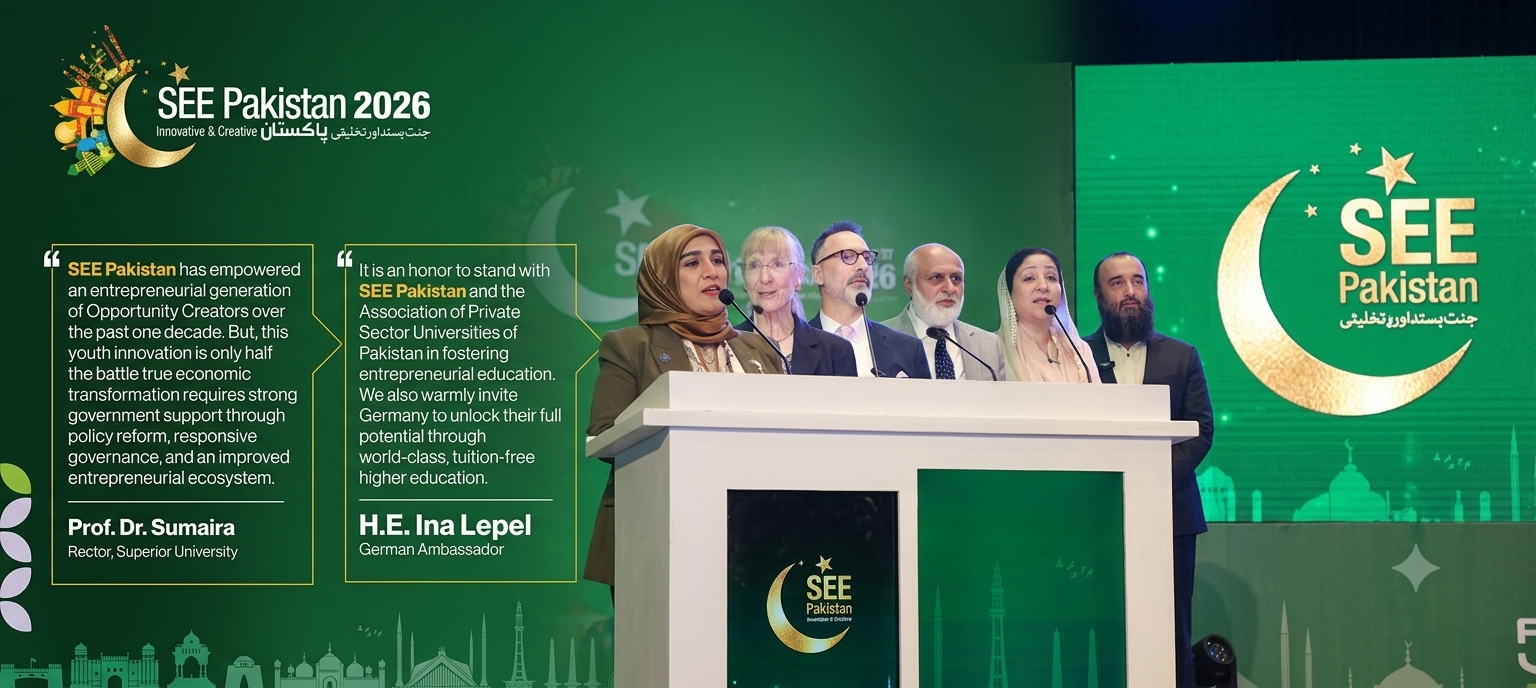
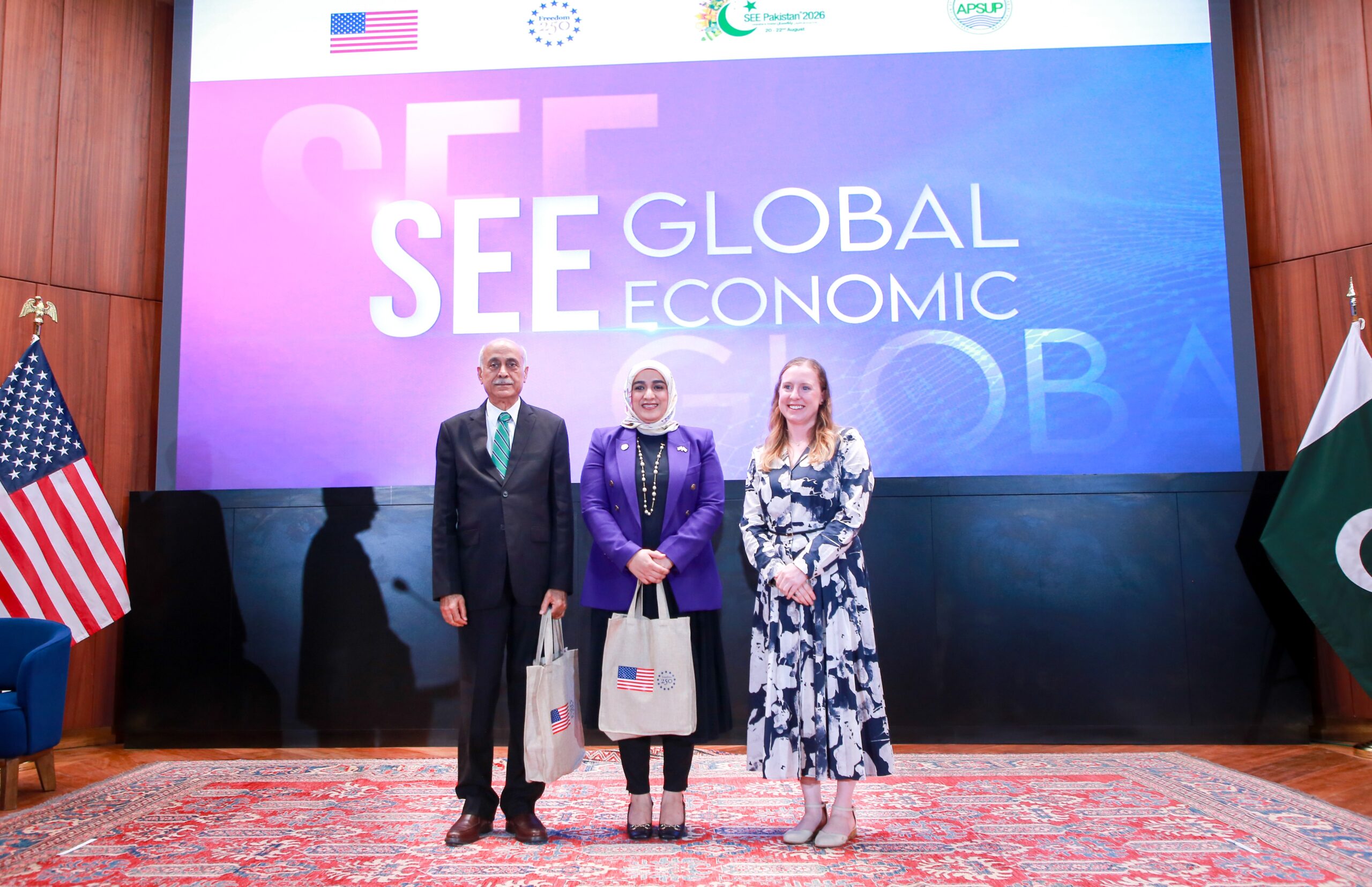
SEE Pakistan 2024, co-hosted by Superior University, exemplifies SDG 17.2.1 by fostering multi-stakeholder partnerships that unite academia, government, industry, and entrepreneurs to accelerate sustainable innovation. The event engaged 50,000+ participants, 175 universities, and 16 countries, creating a powerful collaborative ecosystem for youth empowerment and economic growth. By connecting 103 startups, 25 investors, and 70 mentors, it advanced resource mobilization and capacity-building for entrepreneurial development. This large-scale collaboration reflects Superior University’s pivotal role in strengthening global partnerships for sustainable progress.