

Water scarcity has emerged as a critical global concern, with rapid population growth and climate change exerting immense pressure on freshwater resources. According to global projections, by 2030 the world may face a 40% gap between water demand and supply. In Pakistan, recurring droughts, floods, and declining groundwater levels have intensified this challenge, affecting public health, agriculture, and economic stability.

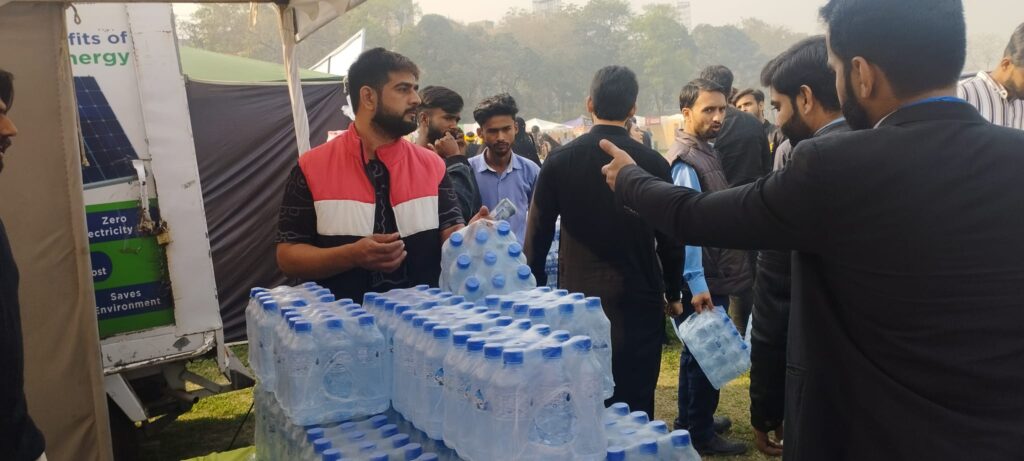
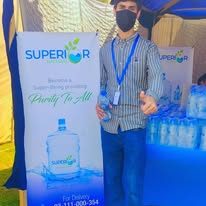
These initiatives not only enhance access to clean water but also foster community well-being and environmental sustainability, reflecting Superior University’s holistic approach to social responsibility and nation-building.
Superior Natural Awards and Sustainability Commitment
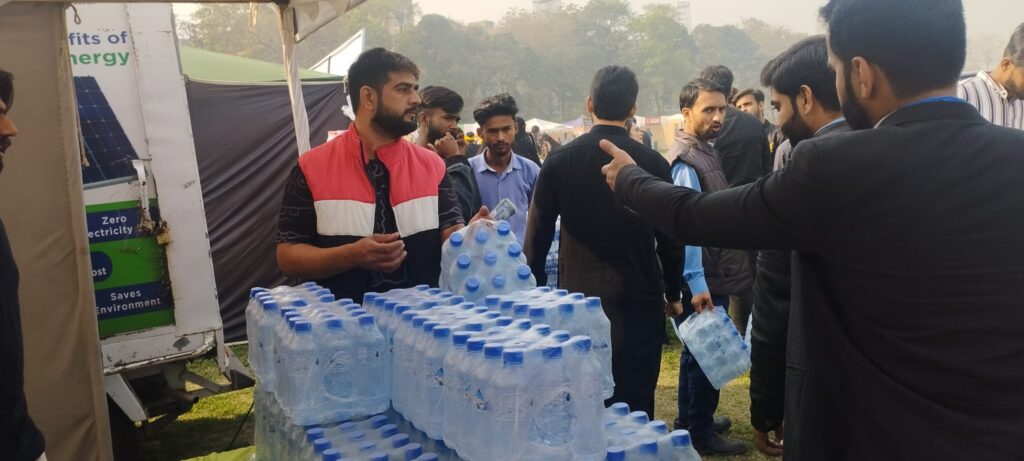
Superior Natural Mineral Water, a social entrepreneurship initiative of Superior University, continues to champion sustainability and excellence. The program’s ongoing recognition, the Superior Natural Awards, celebrates individuals and teams who exemplify dedication, innovation, and compassion in advancing environmental goals. Beyond delivering high-quality bottled water, Superior Natural upholds a mission rooted in innovation, humanity, and sustainability. The initiative aims to uplift communities by promoting environmentally responsible practices and contributing to Pakistan’s broader water security and sustainable growth agenda.

Water Conservation Measures
Water conservation remains a cornerstone of Superior University’s sustainable infrastructure strategy. The institution has integrated multiple water-saving technologies, including:
- Low-flow fixtures across campus buildings.
- Rainwater harvesting systems for irrigation and maintenance use.
- Greywater recycling systems to reduce dependence on fresh water sources.
These measures collectively reduce water consumption, mitigate the impact of droughts, and strengthen campus resilience against resource shortages.
Campus Water Consumption Overview
| Parameter | Data |
| Average Water Consumption at University Campus | 15,000 students × 30 liters per person = 450,000 liters/day |
| Number of Students in Hostels | 500 students × 30 liters per person = 15,000 liters/day |
| Total Sewage Generated per Day | 450,000 liters (campus) + 15,000 liters (hostels) = 465,000 liters/day |
This monitoring process ensures accurate tracking of water usage and wastewater generation, allowing the University to optimize its water management systems and identify opportunities for further conservation.